
In the life-death-life-death-life cycle of birds I have now seen it all, had my heart broken then re-put-together, and dealt swiftly with the kind of suffering that is evidenced by the frantic fluttering of wings. As you know, we have a fox problem; in fact this whole district has a fox problem, but I didn’t realise how much of a problem this was until we suffered our first casualties (this was before we lost our first emus).
It was months ago now, back at the beginning of our bird adventure and I will never forget that morning.
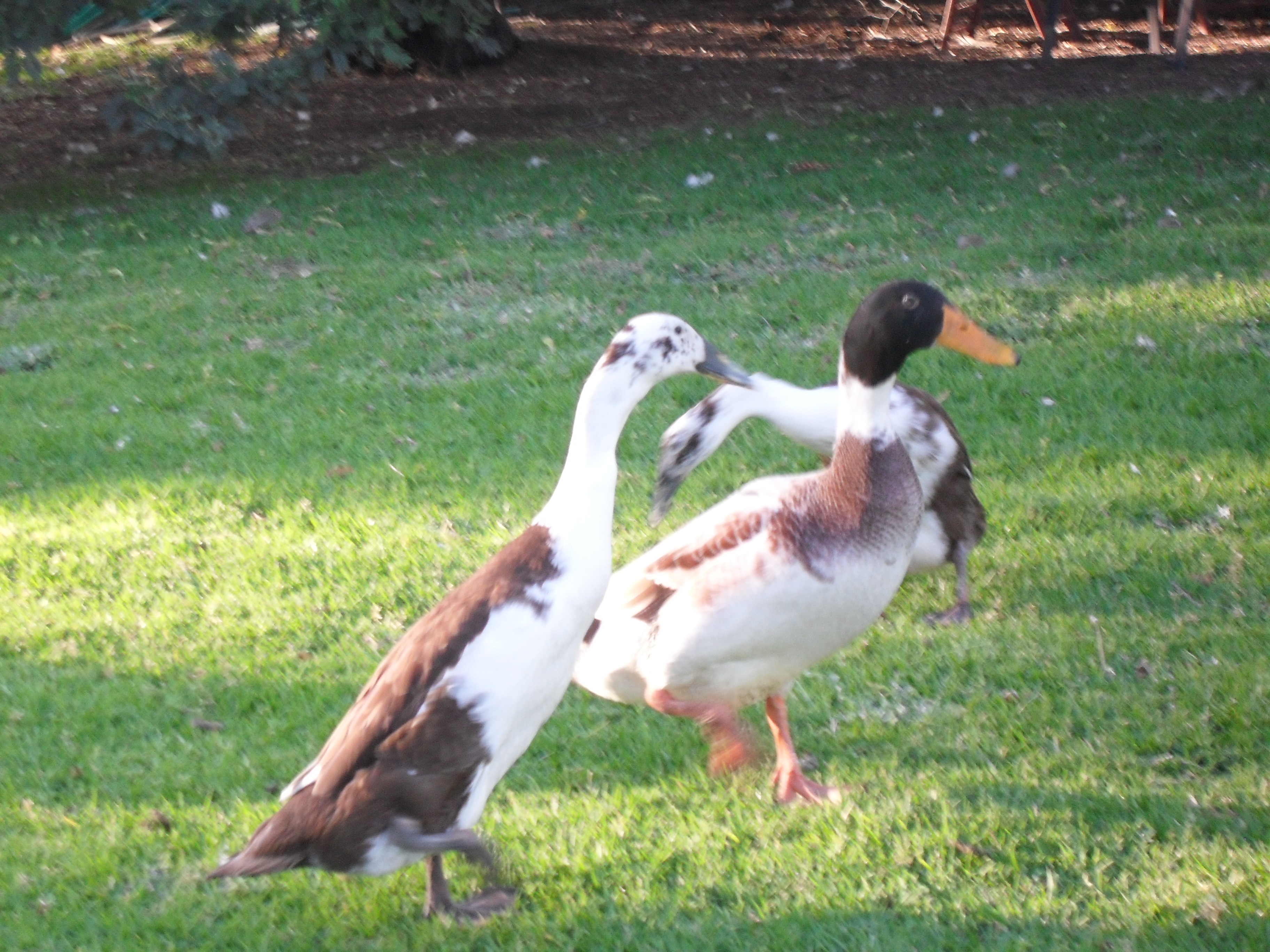
It was very early and the sun was just crawling out from behind a cloud when I heard a dreadful chorus of squawking and quacking, so I leapt out of bed and ran out of the house to the back yard and, only metres away, there was a fox with one of our male Indian runner ducks in its jaws. I shrieked and ran towards it and it let the duck go and ran away and, thankfully, the duck survived.
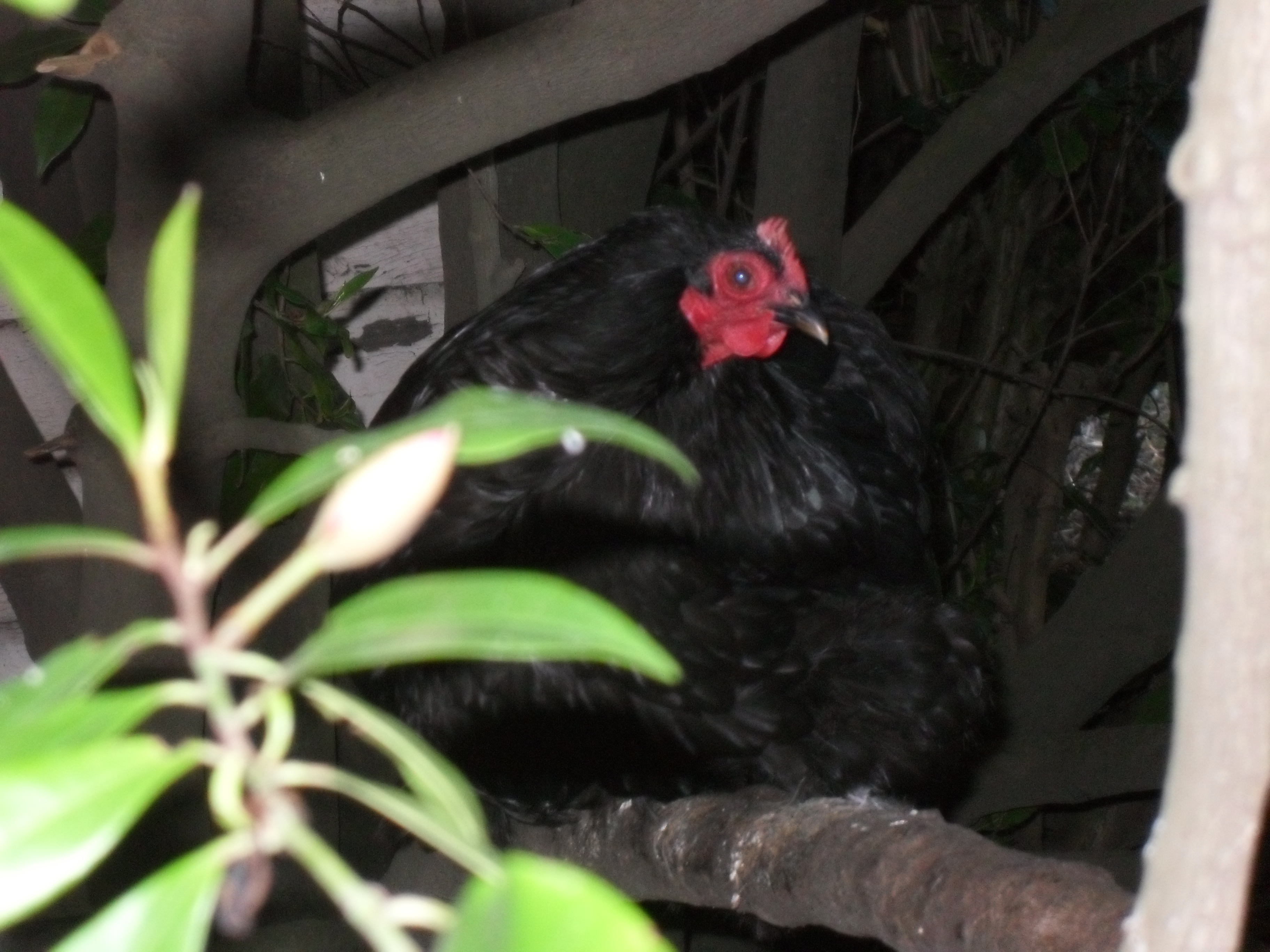
I called all of the birds – and gradually, silently, the chickens who hadn’t been killed came towards me. I have a food bin out the back, so I got some bread and they livened up a bit but, when I did a head count, I only counted six when there should have been 12. And I couldn’t find our two roosters. Then, I realised that the Indian runner I had saved, was all alone; his female mate was gone too.
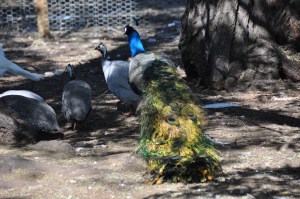
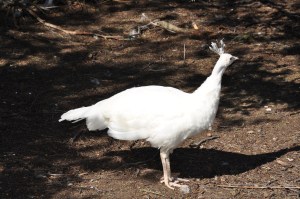
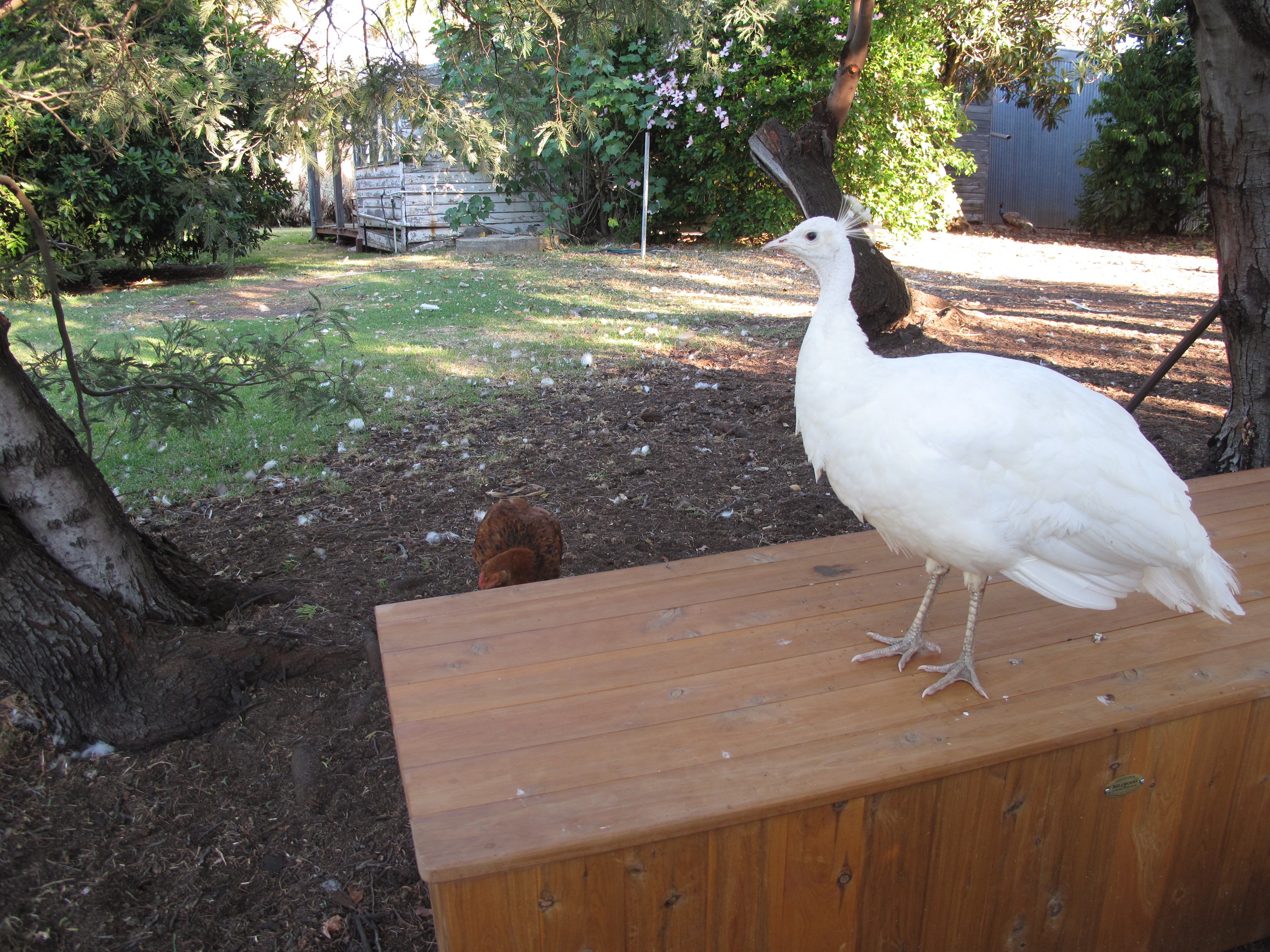
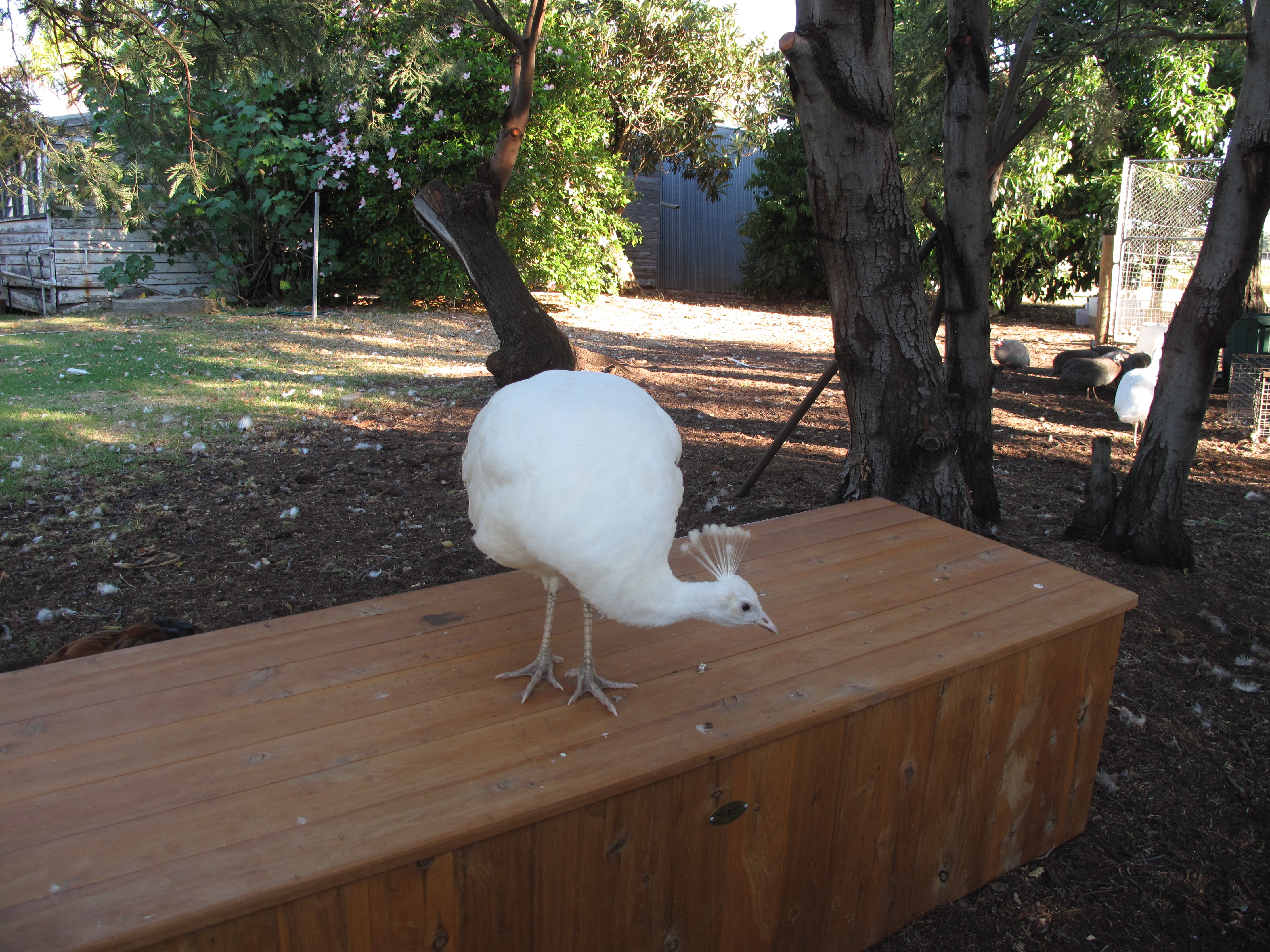
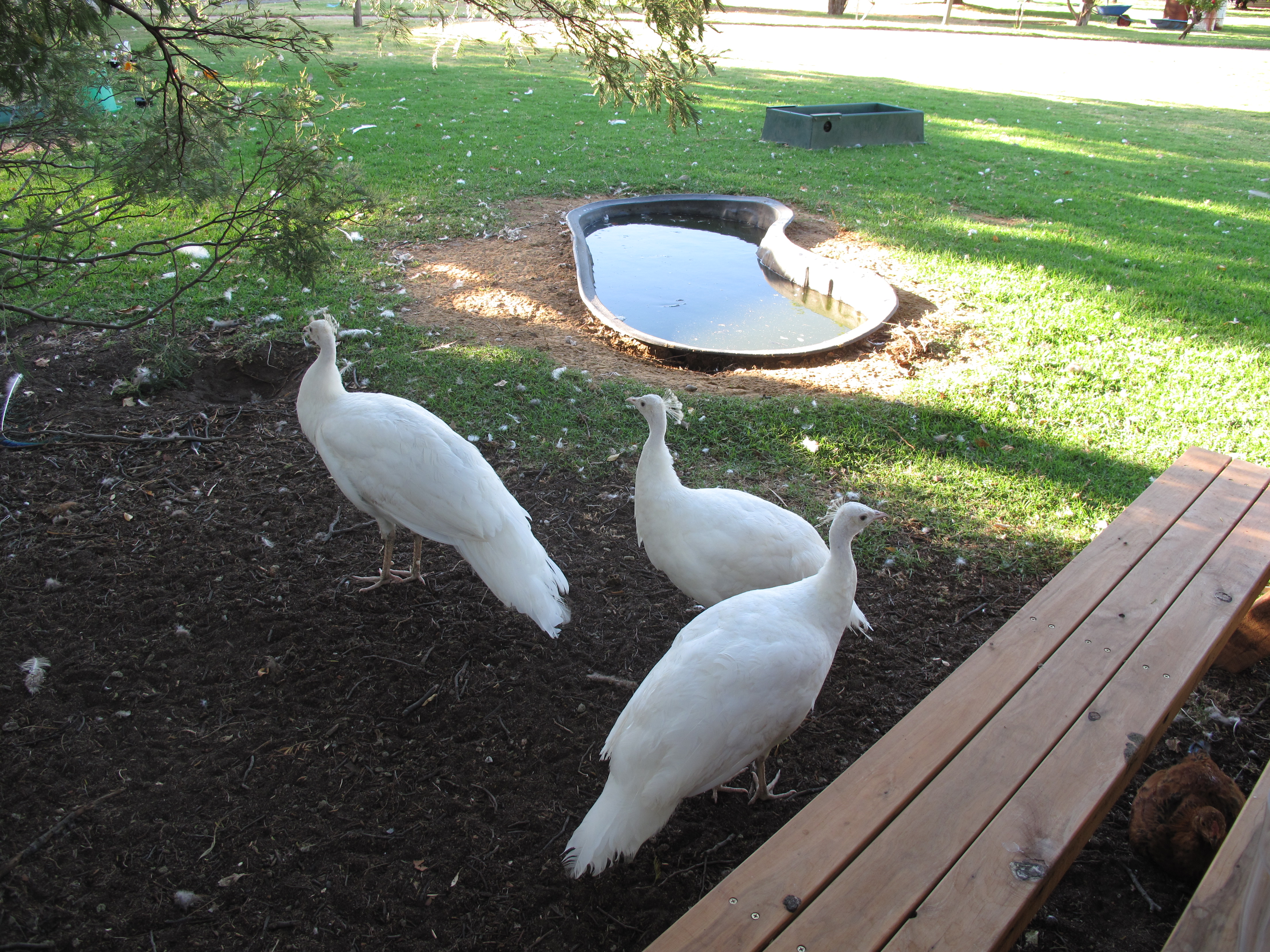
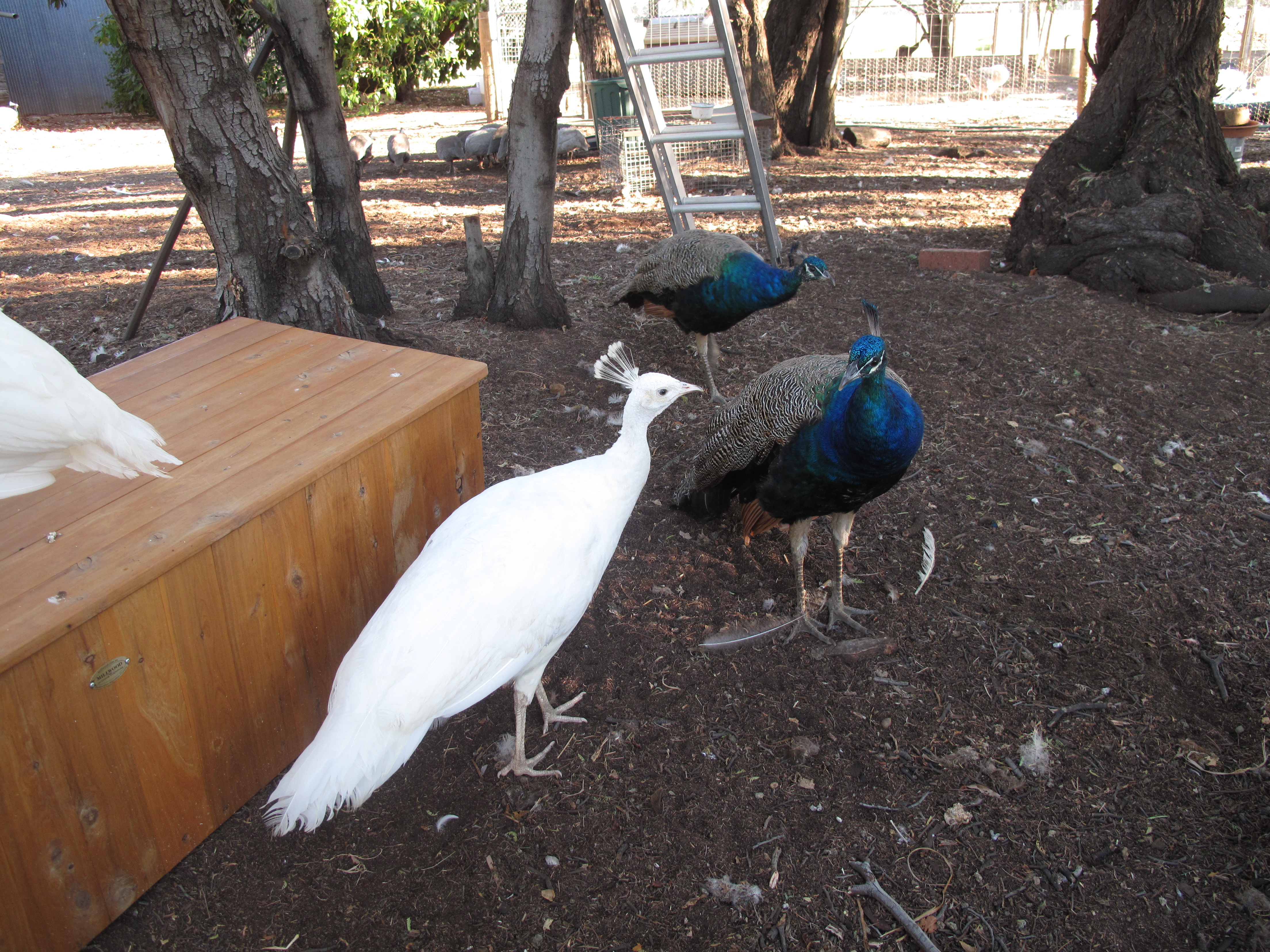
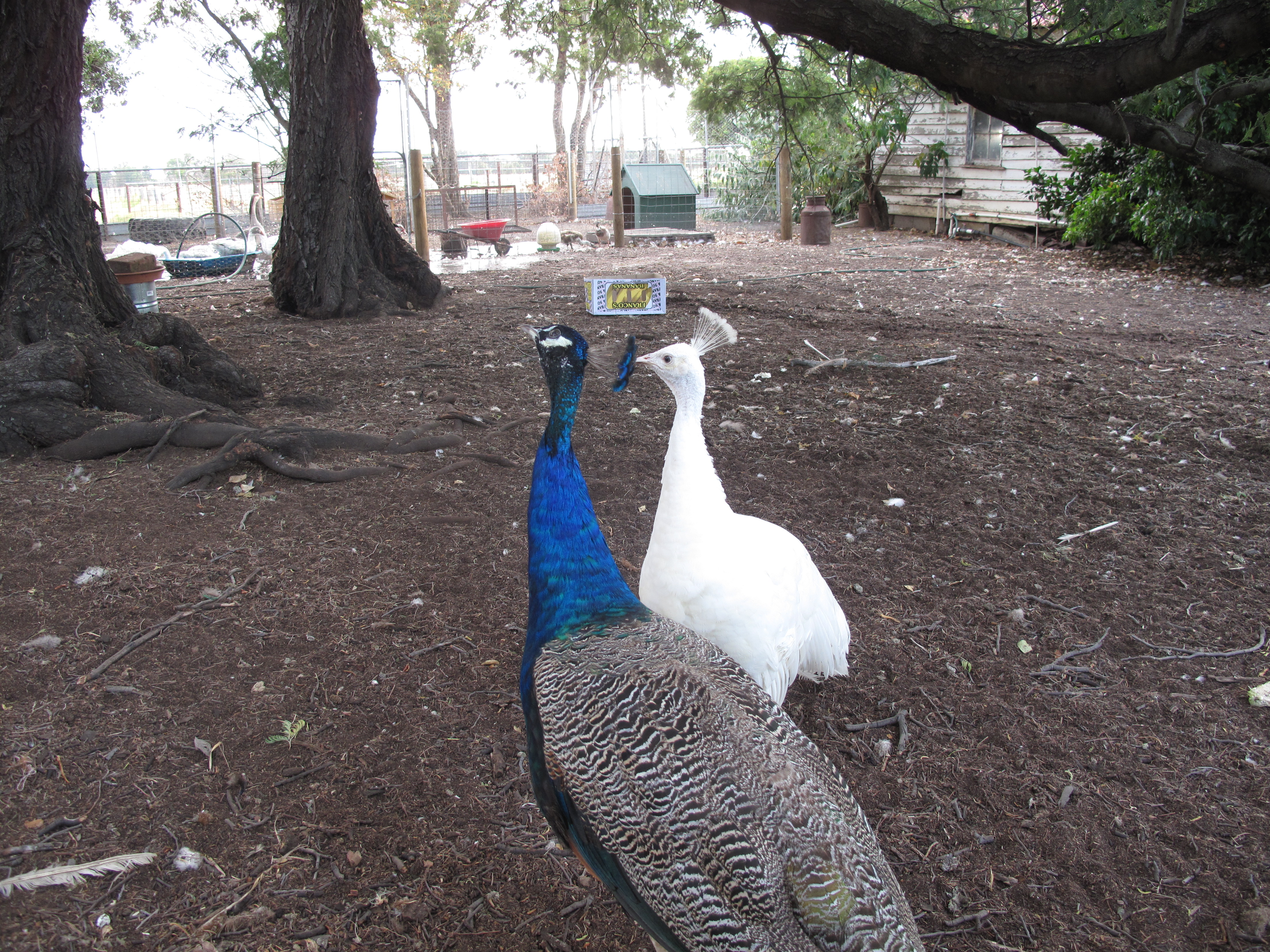
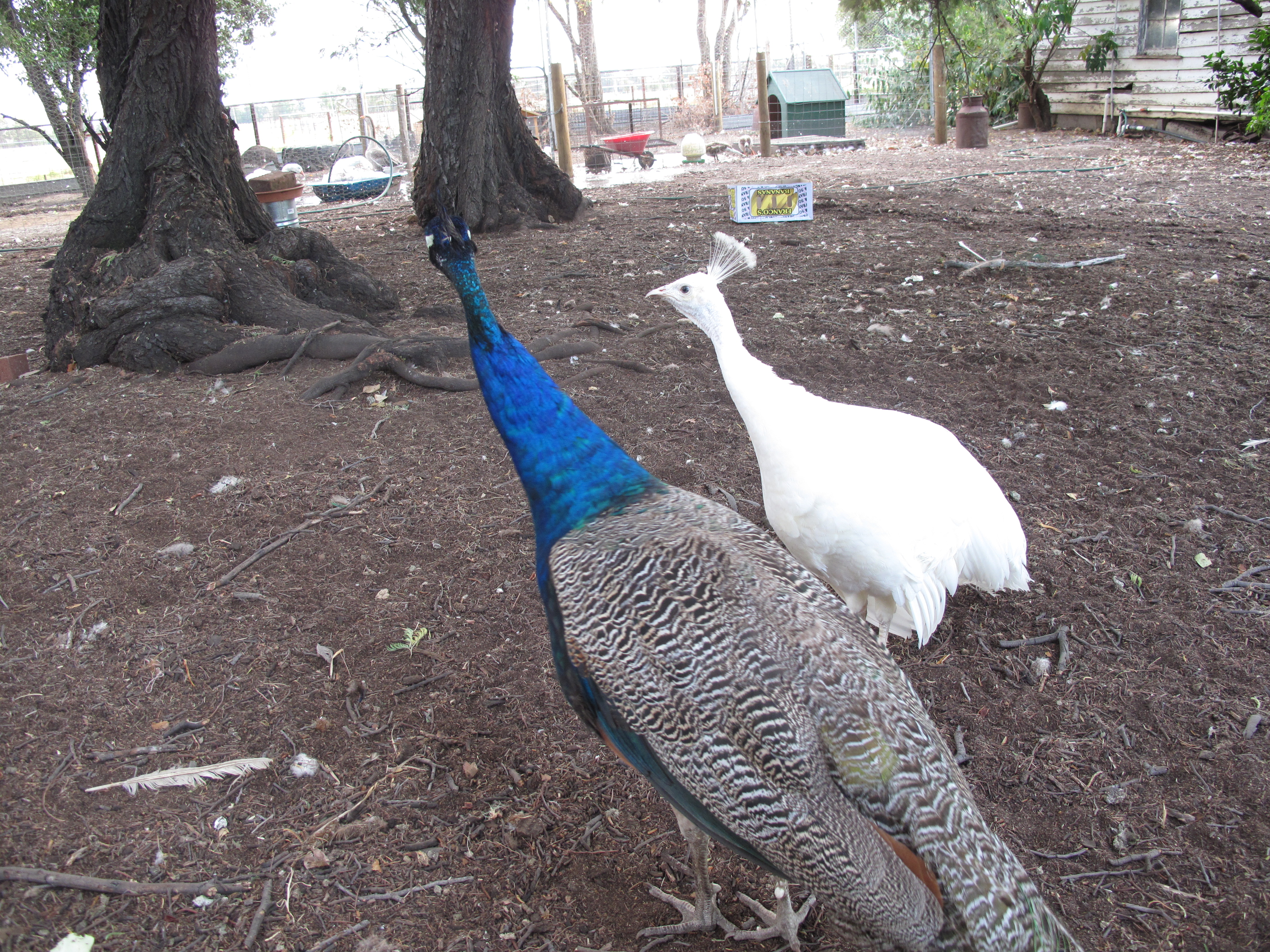
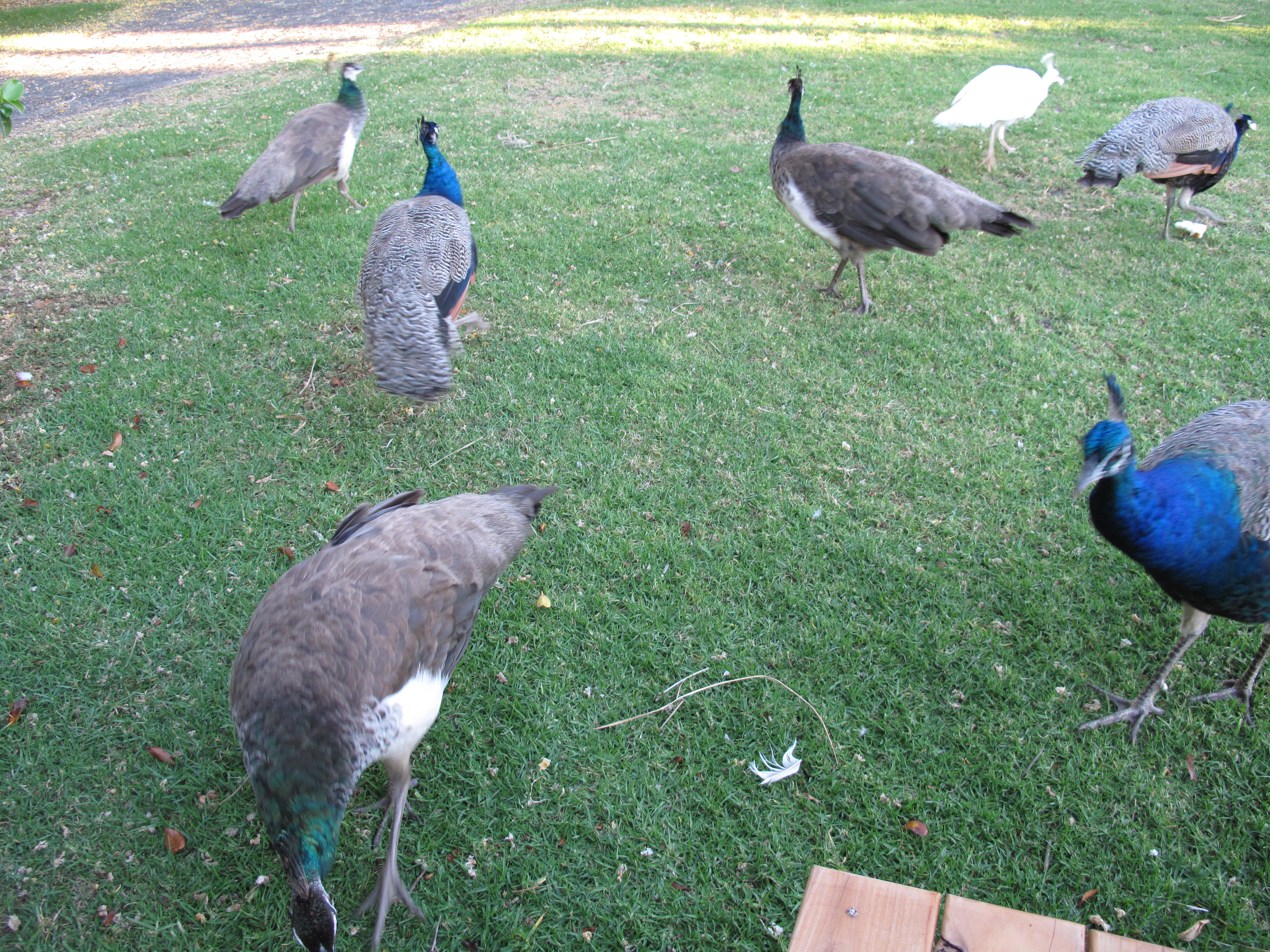
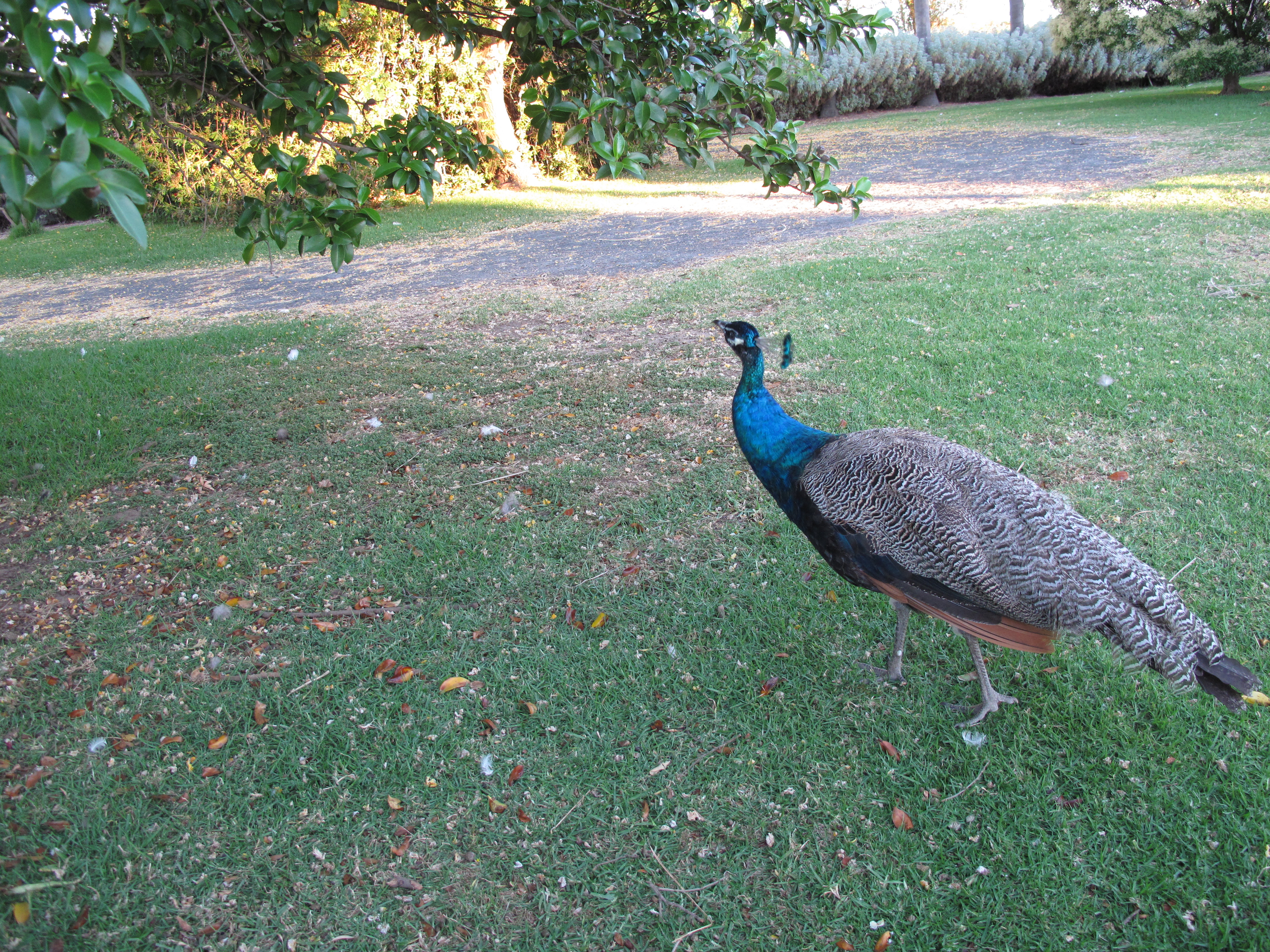
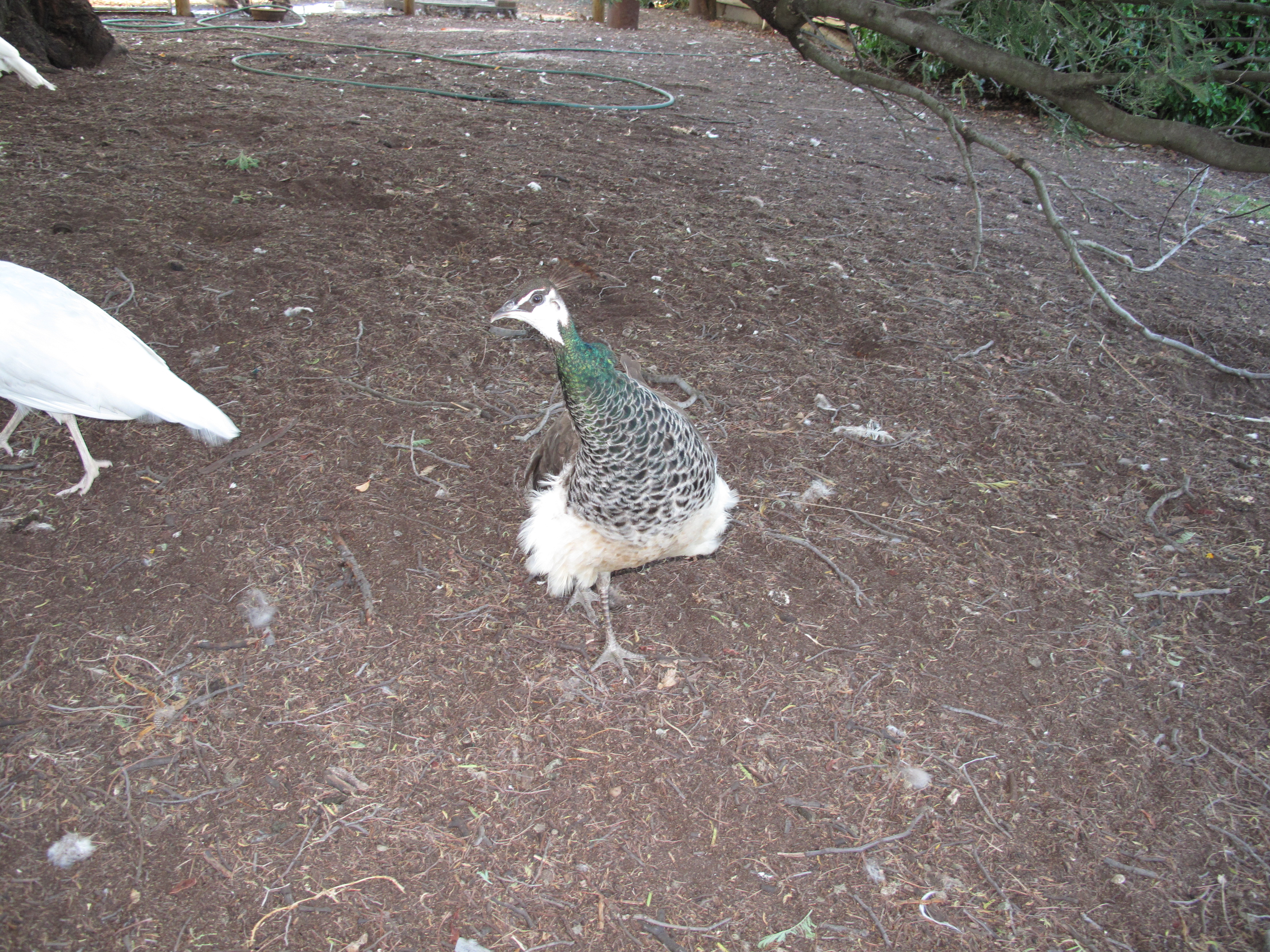
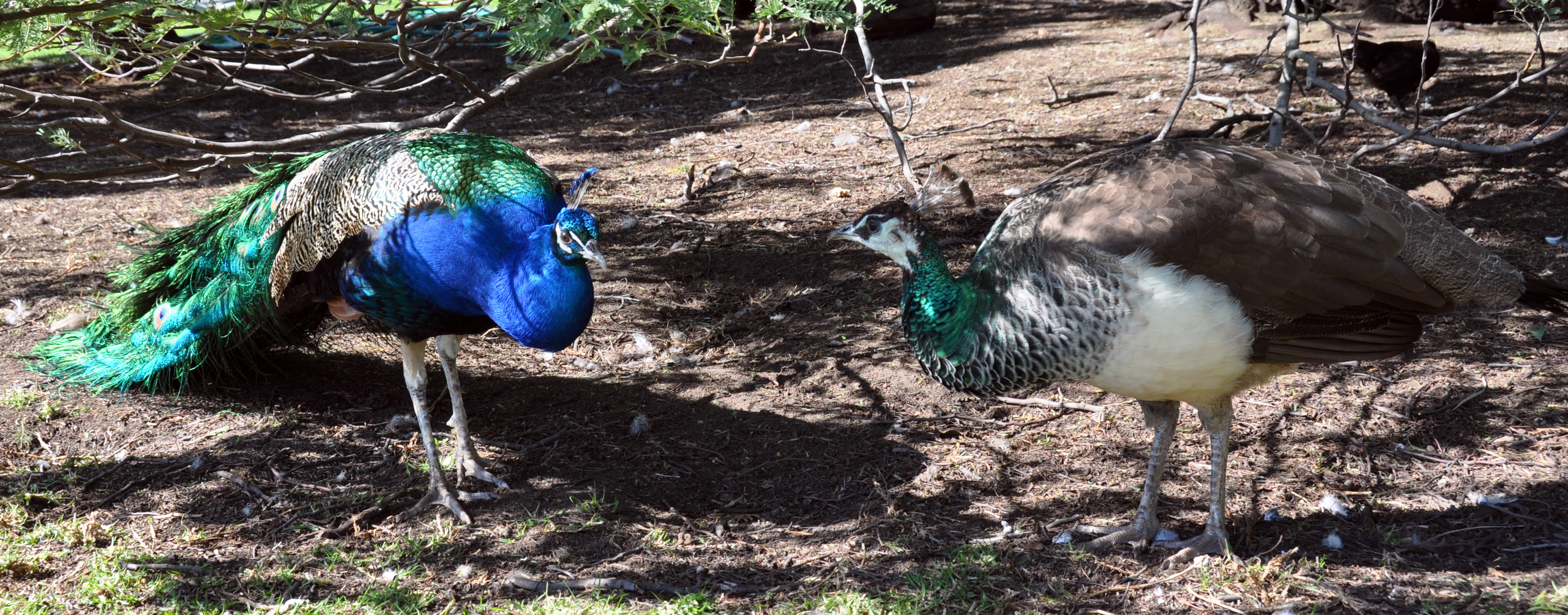
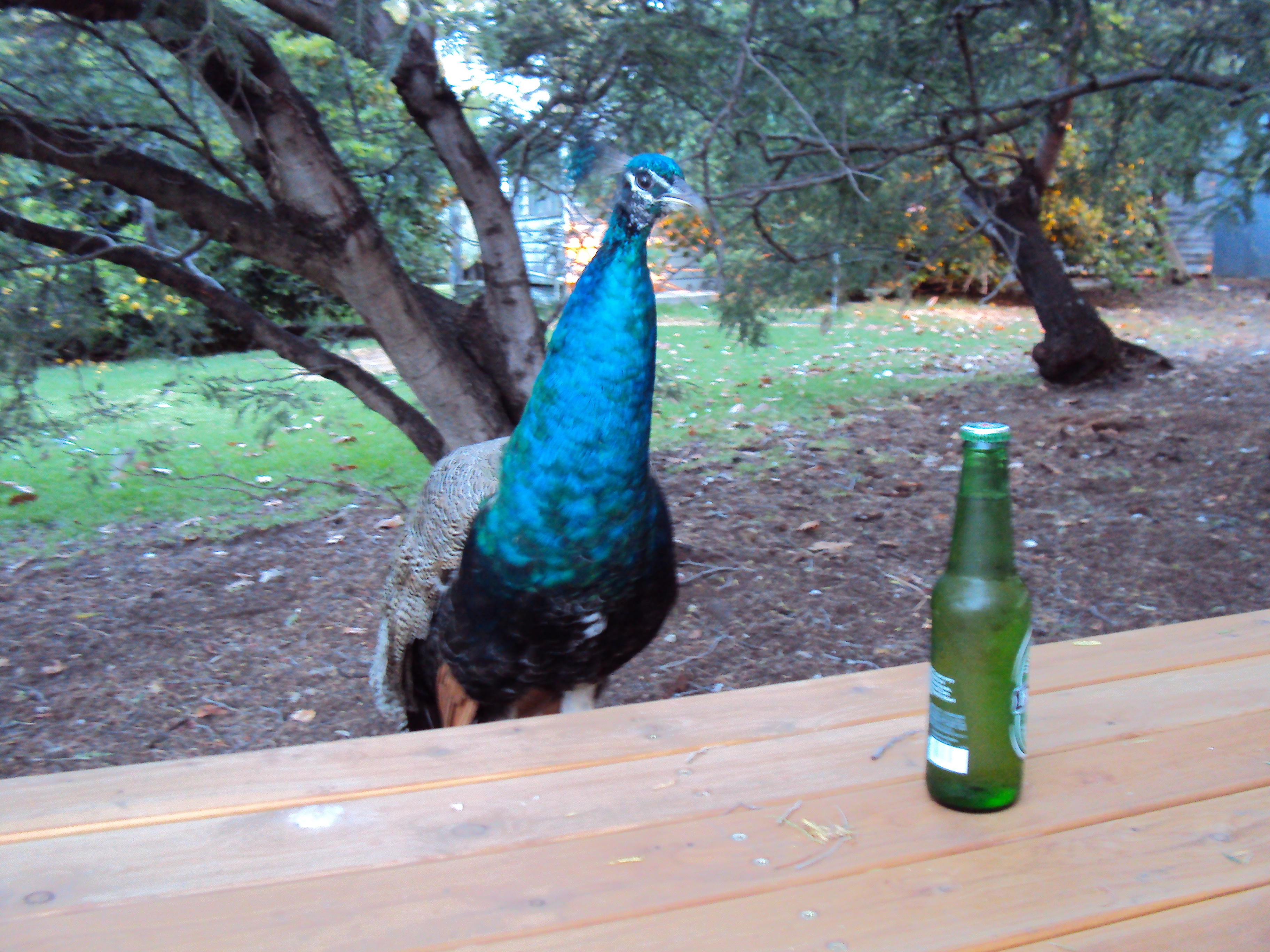
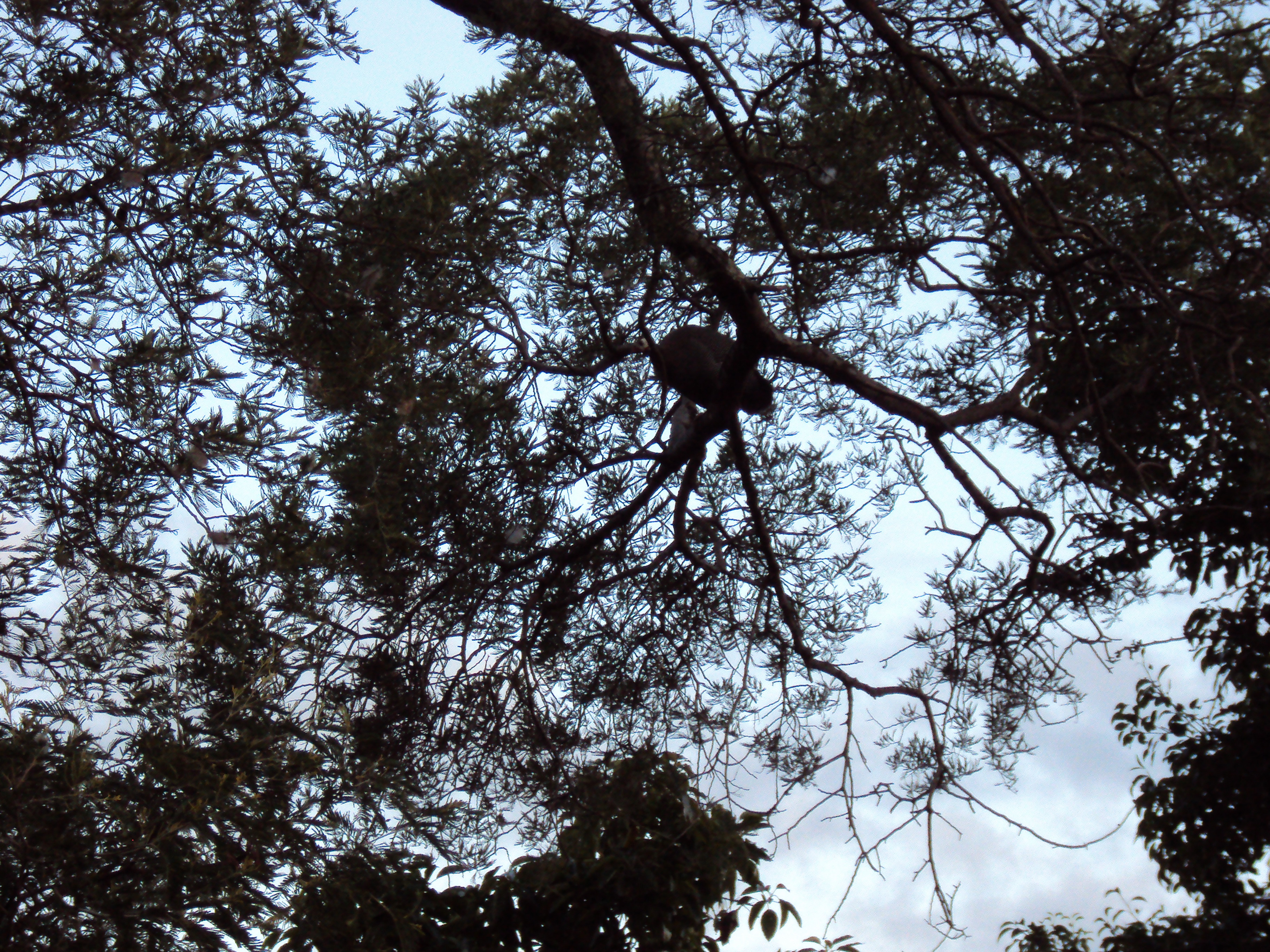
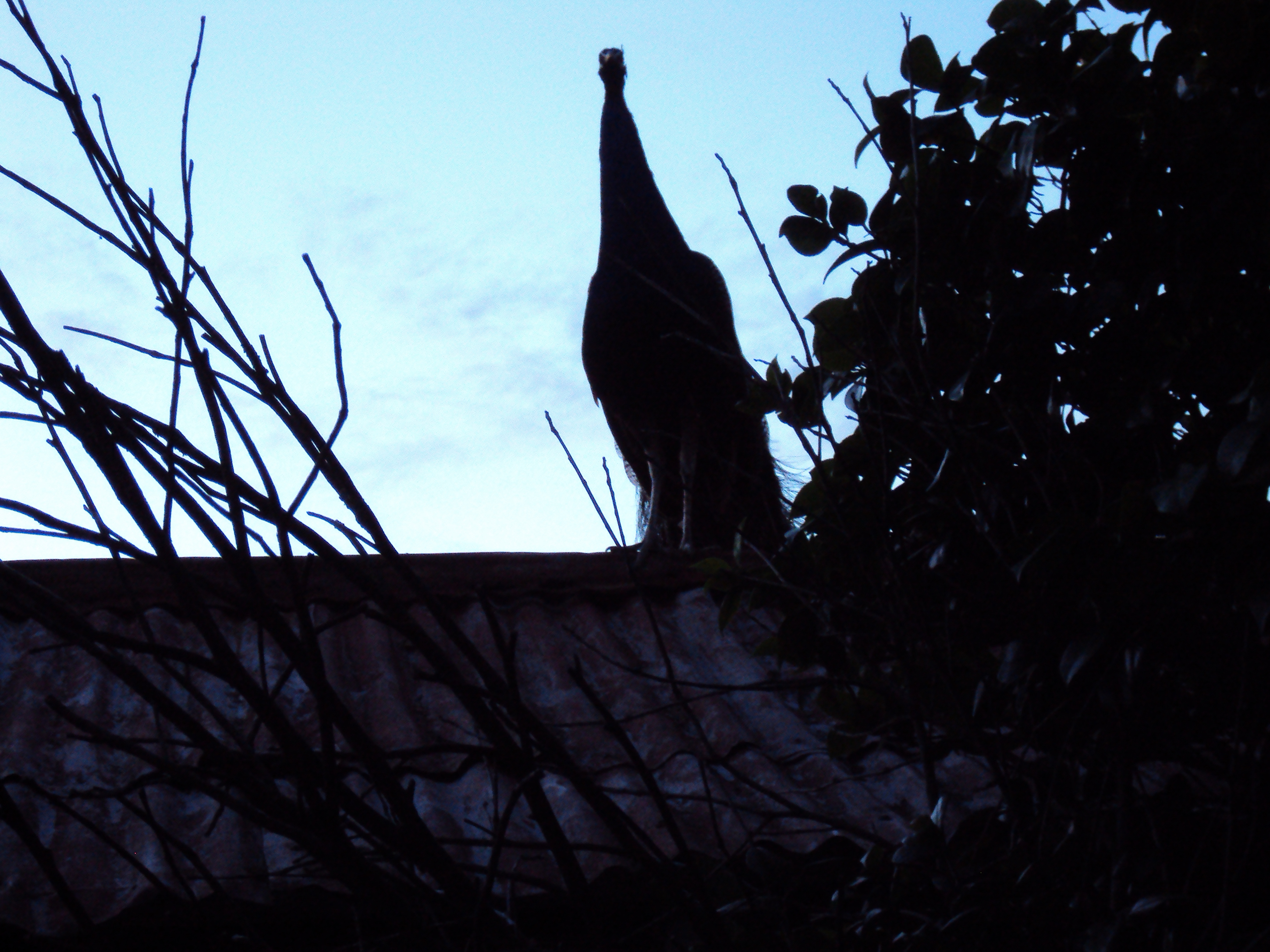
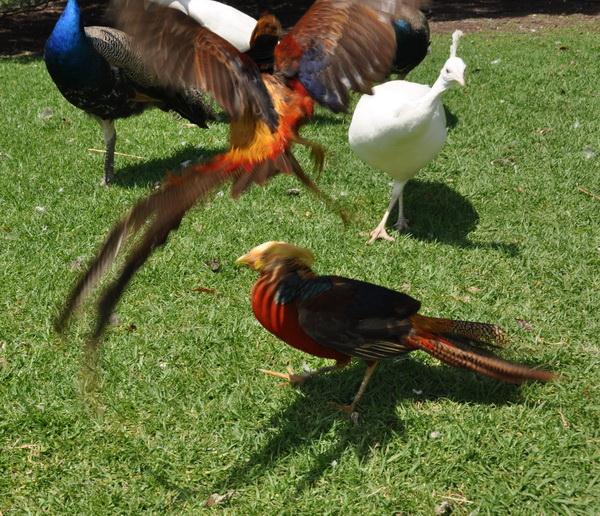
There were feathers everywhere, but no bodies, and I learned later that foxes (specifically vixens feeding their cubs), bury or hide what they kill for a later food source. But that morning, not knowing what I know now, I sat down on the ground and cried while I fed little bits of bread to the survivors. There was an eerie silence and I looked up into the wattle trees to see that all of the peafowl and guinnea fowl were still there, staring down, scared and quiet.
I stopped crying and called up, “It’s okay, you can come down now; the fox is gone,” and, one by one, they vacated their branches to land softly near me and to share the bread with others.













 jmgoyder